

Contact us
Contact Our Austin Personal Injury Team
Have questions about your case or ready to take the next step? Our Austin personal injury attorneys are here to help.



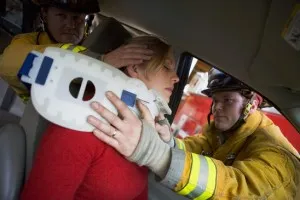
St. Patrick’s Day is an excellent time to celebrate with friends and family, but this intoxicating holiday comes with certain dangers. With the increase in alcohol consumption come a spike in violent crime and drunk driving.
According to the National Highway Traffic Safety Administration, 34 percent of road fatalities on St. Patrick’s Day in 2011 involved drunk driving. These accidents injure 30 people per hour, which means drunk drivers harm more than 200,000 individuals every year.
If you or a loved one was injured by a drunk driver in Texas, contact the Robson Law Firm. An Austin personal-injury attorney will evaluate your crash to determine if may have grounds for a claim. You may be entitled to compensation for medical expenses, lost wages and other damages.
Our firm has recovered more than $26 million for our clients, and we have been representing the injured for more than 20 years. Call (512) 345-8200 to schedule a free initial consultation. You can also visit drunk-driving-accident.usattorneys.com/texas to learn more about drunk-driving accident claims in Texas.
Here is a brief overview of five common injuries in drunk-driving crashes:
According to the Centers for Disease Control and Prevention, car crashes are the third-leading cause of traumatic brain injuries. TBIs range in severity and can cause lifelong cognitive disabilities, affecting all aspects of the victim’s life. If you notice any symptoms of a brain injury, such as nausea, confusion, dizziness, blurred vision or slurring, contact a doctor immediately.
Chest injuries are common in head-on and high-speed collisions. The impact can crush ribs between the steering wheel and seat.
Your chest can also hit the dashboard or steering wheel if you do not wear a seatbelt. These injuries are often difficult to treat – particularly if broken chest bones puncture vital internal organs such as the heart, stomach or liver.
Whiplash is the most common neck injury in car accidents. It happens when muscles and ligaments between the neck and skull overstretch. The pain can be excruciating and affect the entire body.
Other neck injuries are also common, including crushed larynxes, broken necks and damaged trachea. Victims often suffer lifelong breathing and talking problems, paralysis and even death.
Injuries to the back, particularly the spine, are among the most serious consequences of car crashes. Broken, ruptured and slipped discs can cause immense pain and permanent nerve damage.
Back muscle injuries, sprains and strains are also common and only become evident several days later. If the accident severs the spinal cord, then permanent paralysis is a real possibility.
In a front-side collision, the legs are particularly vulnerable beneath the dashboard. Victims may experience bleeding and bruising in minor cases, but if the impact is more serious, it can tear ligaments and cause multiple fractures and lifelong knee problems. Victims can struggle to walk, run or even climb a few stairs.
If an intoxicated driver injures you on St. Patrick’s Day, contact the Robson Law Firm. An Austin accident lawyer can help you pursue compensation from the at-fault party. Call (512) 345-8200 to schedule a free initial consultation.